Argentina’s World Cup run sparks debate over sportsmanship and racism

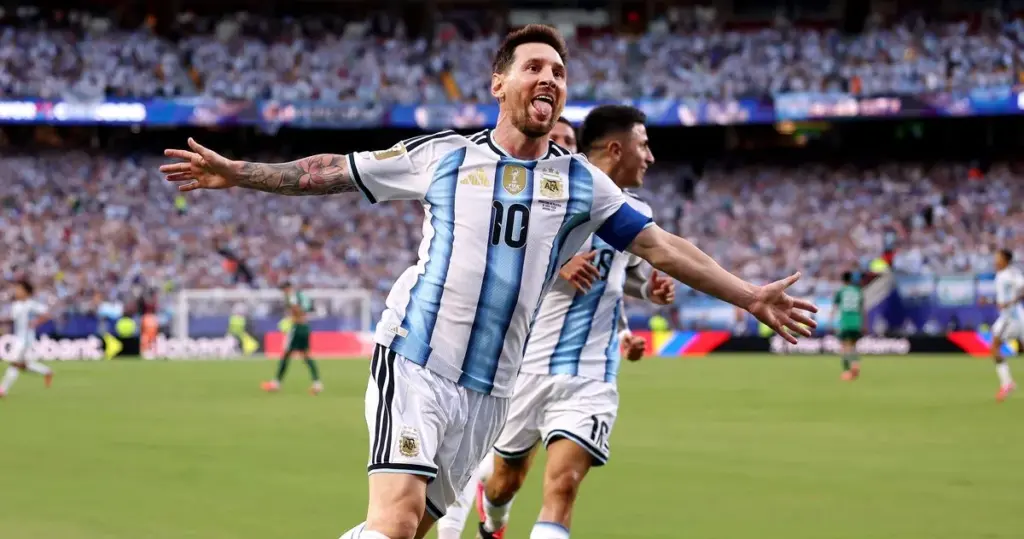
The recent World Cup final between Spain and Argentina highlighted a growing discussion among some Black Americans regarding sportsmanship and perceived racism, with many reportedly rooting against Argentina. This sentiment emerged amidst various incidents throughout the tournament and beyond, drawing attention to issues extending beyond on-field performance.
Critics have accused Argentina of poor sportsmanship and dirty tactics, particularly during their 1-0 loss to Spain in the final. This contributed to a perception of the South American nation as tournament villains. Allegations of racism against Argentina‘s fans also surfaced, with actor Samuel L. Jackson among those who voiced concerns.
Some Argentinians, however, contend that their passionate style of play is often misunderstood. Leo Simone, a lawyer from Buenos Aires, suggested that a tendency to be seen as arrogant is mistaken for pride. His wife added that people confuse arrogance with pride. Despite Lionel Messi‘s global popularity, anti-Argentina sentiment grew as some critics argued the team received favourable refereeing decisions, including penalties and cards against opponents.
The final match itself was characterised by numerous fouls and on-pitch altercations. A notable moment occurred when the Argentinian squad reportedly turned their backs as Spain received the World Cup trophy. This behaviour was described by one publication as a “tetchy, petulant and distasteful performance.” Former Germany player Thomas Hitzlsperger referred to Argentinians as “disgusting sportsmen,” while British television personality Piers Morgan claimed they were “whacking as many Spanish players as they could.”
Despite the criticism, some Argentinian fans embraced the negative attention. Maximiliano Heredia, a construction worker, noted that the team has “always been criticised” and that they are “used to it.” Journalist Pedro Rosemblat wrote on Instagram that the team’s “rebelliousness irritates them, enrages them” and that they “love it.”
Sports journalist Ezequiel Fernandez Moores acknowledged that some criticism was justified, stating that local football codes of provocation and mockery do not always translate well to a global audience. He also agreed that the team turning their backs during the trophy presentation was “not right.” However, Simone, the lawyer, defended Argentina‘s physical play, comparing it to other South American football styles and suggesting that Spain also used tactical fouls.
Racism allegations and player responses
Accusations of racism against Argentinian fans and some players have a history, including a past team chant mocking France‘s Black players. Incidents such as fans throwing bananas or making monkey gestures at Brazilian fans or Black players have also been reported at club level. During this World Cup, FIFA issued a statement condemning racism after an Argentinian supporter made a racist comment to a Black US influencer during a livestream.
Samuel L. Jackson publicly urged Black people not to support Argentina, calling it one of the “most racist countries in the world.” Sociologist Ivan Schuliaquer from the National University of San Martin suggested that while racism in football should not be denied, these labels sometimes originate from colonising countries that have not fully resolved their own issues with racism.
The debate extended to the silence of prominent figures. Lionel Messi, despite his on-field brilliance, did not publicly condemn the racist incidents involving sections of Argentina‘s fanbase throughout the World Cup. He also did not address a racist chant that drew international criticism after the Copa América, nor the videos of Argentinian supporters racially abusing Black individuals online. This lack of public statement from Messi was contrasted with other athletes who have used their platforms to address social issues.
The actions of younger players like Lamine Yamal and Nico Williams of Spain were highlighted as examples of athletes who have spoken out on issues beyond football. Yamal has openly discussed his family’s sacrifices and expressed solidarity with Palestine, while Williams‘ mother walked nearly 2,000 miles from Ghana to Spain in search of a better life. Williams scored the goal that won Spain the World Cup and placed his medal around his mother’s neck.
Spain‘s victory was seen by some as representing a diverse and confident modern Spain, shaped by the journeys of families seeking a better life. Following Spain‘s win over Argentina, an image of Lamine Yamal embracing Messi stood out, symbolising respect between generations. Another notable image was Yamal kneeling in prayer after the match, suggesting composure amidst the post-game emotions.
Argentina’s historical context
Historically, Argentina‘s football identity has been characterised by a blend of flair and ruthlessness, often embodying the “pibe” archetype – a resourceful kid who relies on both skill and cunning. This has led to a perception of the team as both saviours and scoundrels in the sport. The 1986 World Cup goals by Diego Maradona, including the controversial “Hand of God” and a remarkable solo effort, are often cited as encapsulating this aesthetic.
The 2022 World Cup saw Messi fully win over his country, even as Argentina‘s “darker side” reportedly reappeared, with racist taunts against the mostly Black French team after the final. This tournament, however, presented a different dynamic, with Argentina being seen by some as a villain. This perception was reinforced by controversies surrounding refereeing decisions, such as the disallowing of Egypt‘s goal in the Round of 16 and a red card for Switzerland‘s Breel Embolo in the quarterfinals, which critics suggested benefited Argentina.
The question of why so many Black Americans were emotionally invested in Argentina losing was attributed to a pattern where discussions about racism in sports are often met with calls to separate sports and politics. This perspective suggests that athletes are expected to use their platforms only when it does not make people uncomfortable. The World Cup became about more than just goals for many, as issues of racism, politics, and silence amplified its significance.
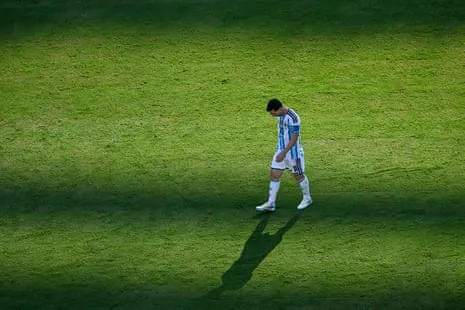
Argentina‘s president, Javier Milei, has also openly embraced positions that align with certain political figures and offered support for Israel, further contributing to the shifting tide of support against the team for some. Benjamin Netanyahu, when asked if he was rooting for Messi on a podcast, reportedly responded, “No, before Messi, Milei. He’s a superstar.”
The team’s journey in the tournament, including their narrow victory against Cape Verde in the Round of 32, raised questions about whether FIFA‘s perceived favouritism towards Messi and Argentina played a role. FIFA reportedly expects to earn a significant amount from the tournament, and Messi was a central figure, scoring six goals in the first three games alone.
Ultimately, for many, the World Cup became a platform where values, silence, and the willingness of athletes to speak out were as scrutinised as the score itself.
Read Also
Source: theguardian.com

