Infantino accuses World Cup critics of spreading hate in open letter

Infantino’s Defence of the World Cup
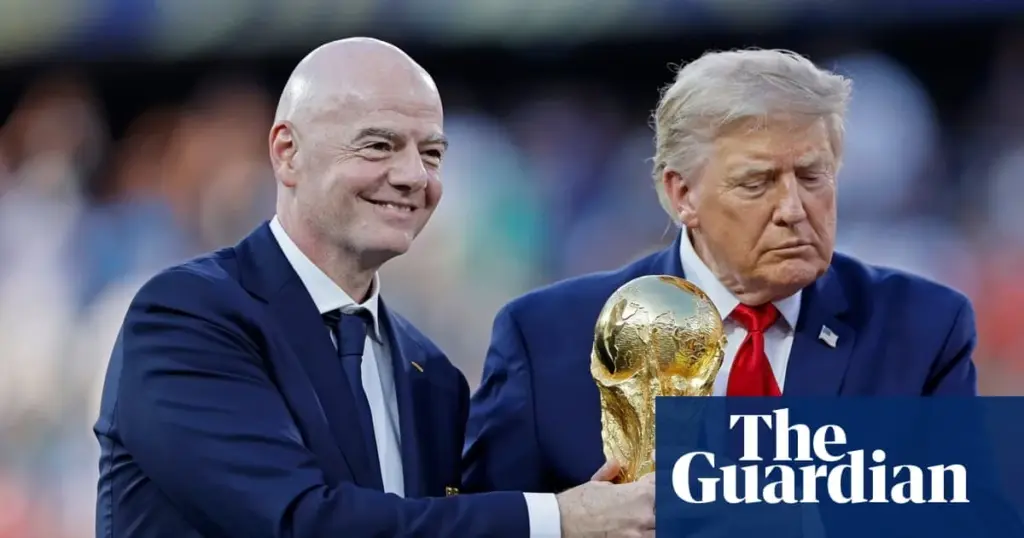
FIFA President Gianni Infantino has responded to criticism regarding the recent World Cup, asserting that detractors are spreading hate and false narratives. In an open letter released on Monday, Infantino, 56, defended the tournament as a success that highlighted unity, safety, and inclusion. He stated that critics were too focused on negativity to acknowledge the joy and togetherness experienced by millions of fans globally during the event, which was won by Spain and hosted across the United States, Canada, and Mexico.
Infantino‘s letter, also shared as a 15-slide post on his personal Instagram account, suggested that those behind screens and pens were “spreading hate and false rumours.” He contrasted this with FIFA‘s efforts on the “front lines organising, working hard, and delivering the best show in the world.” He emphasised that the tournament experienced “no violence, no incidents, 100 percent safety and security, only joy and happiness.”
The FIFA president urged critics to “meditate, pray or watch a football match” instead of focusing on negativity. He conveyed that the World Cup “celebrated humanity at its best” and reiterated the event’s “100% safety and security, only joy and happiness.”
Controversies and Rebuttals
The World Cup faced various criticisms, including debates over US visa restrictions that affected supporters and officials from several countries, as well as concerns involving teams from conflict-hit regions. One notable instance involved Somali referee Omar Abdulkadir Artan, who was reportedly barred from entering the US despite possessing a valid visa. Infantino, however, highlighted that millions of visas were approved from around the world, underscoring football’s ability to unite.
Another point of contention was FIFA‘s handling of the Folarin Balogun disciplinary case. An automatic one-match ban imposed on him after a red card against Bosnia and Herzegovina was suspended following an intervention by US President Donald Trump, making him available for a last-16 tie. This decision drew strong reactions, with Uefa describing it as “unprecedented, incomprehensible, and unjustifiable,” and the Norwegian Football Federation considering a formal complaint. Infantino, however, argued that such decisions are routine and widely accepted in major leagues globally, noting the “curious” nature of criticism from countries that employ similar practices.
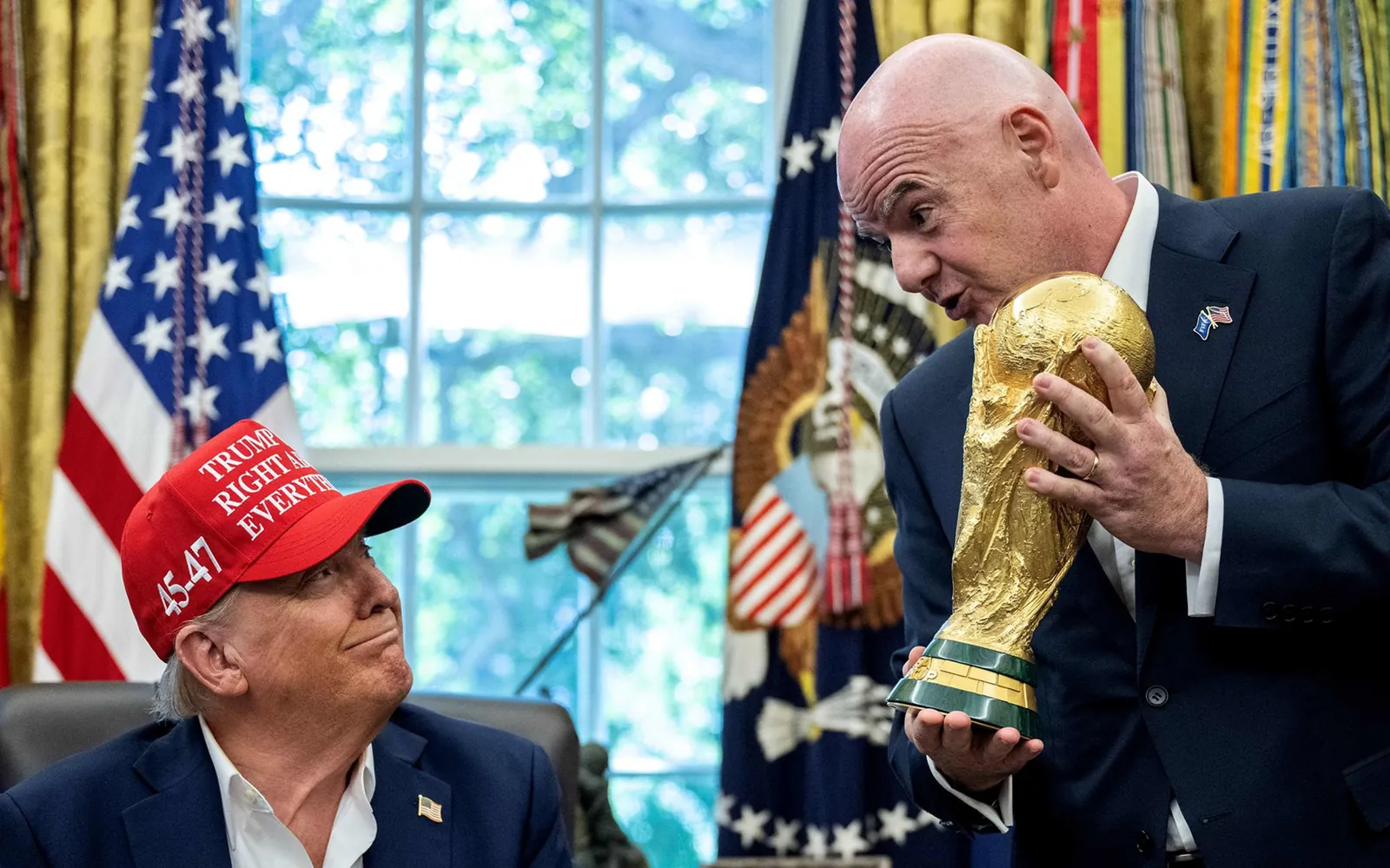
Officiating decisions in Argentina‘s match against Egypt also generated significant debate among fans and pundits. Despite these controversies, Infantino pointed to the participation of countries like Iran, who featured despite ongoing tensions with co-hosts the United States, as evidence of football’s capacity to transcend divisions. He stated that Iran entered the United States “without incident or conflict” and received visas because “football is about peace. It’s not about politics.”
However, Iran‘s head coach, Amir Ghalenoei, reportedly described his team as the “most oppressed” at the World Cup, citing visa delays, denial of entry for “integral” backroom staff, revoked ticket allocations for fans, and logistical issues that necessitated moving their training base from Tucson, Arizona, to Tijuana, Mexico. They also encountered movement restrictions between their training base and group matches in Los Angeles and Seattle.
Call for Unity and Reflection
Infantino‘s message also addressed allegations of racist abuse towards an American social media influencer and arrests of supporters at multiple matches, including after England‘s semi-final against Argentina in Atlanta. Despite these incidents, he maintained that there were “zero incidents, zero violence, just joy, emotions, happiness, unity, and togetherness.” FIFA is reportedly investigating Argentina‘s actions following altercations with Spain‘s players after losing the World Cup final.
The International Olympic Committee has stated it will not investigate Infantino for any potential breaches of political neutrality. This decision came after a human rights campaign group, FairSquare, filed a complaint, which the IOC deemed outside the jurisdiction of its ethics commission. Infantino concluded his letter by encouraging his opponents to “show some love” and “respect” for a tournament where “people came together as families, as fans, as one.”
He expressed pride in his contribution to the event, stating, “It’s a great feeling.”
Source: rnz.co.nz

